Immunity
is defined as a defensive mechanism that protects the entire body system from foreign
body. The immunity worked by detecting the foreign body and the get rid of it
out of the body system, or non self material the find their way into the body
without appropriate demand. Such foreign body could be an infectious material
such as bacteria, virus, fungus etc, also the foreign body could also be as life
saving tissue grafts. The immunity to the infection may be in the following;
natural, acquired, or through adoptive immune response.
 |
| OMLD NIG PLC |
DEFINATION
OF TERMS
The
study of the immunity is called immunology.
Non-self: this defines a wide range, which include
everything that is different from individual owns body constitution.
Natural
resistance: this is non-specific defense mechanism of the body system which is
positioned against any foreign body without identifying it, this take place as
a result of innate or natural immunity.
Adaptive
Immune Resistance: this type of immune is mounted and directed to specific
antibodies that might result to the destruction of this antibody in the body. It
usually leave behind a memories of this antigen, so that it can be quickly
identify and killed in the future, it also known as acquired immunity.
Vaccination:
this is the method of stimulating adoptive immune response and memory against a
known infectious agent without suffering from the harmful effects of the
disease. In case of a feature contact with the same agent, the body can
positioned immediate immune response due to acquired immunity.
Grafting:
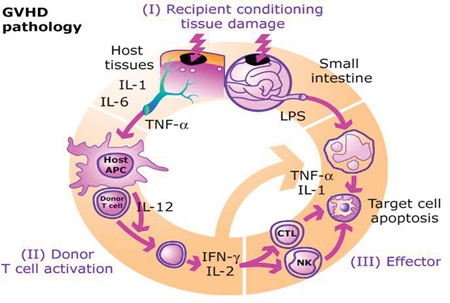
if cells or organs from one individual are used to replace defective ones in
another individual, the body will later mount an immune response against them,
recognizing them as no self. This is called Graft versus Host (GVH) reaction.
 |
| OMLD NIG PLC |
To
suppress this undesired reaction, an immune mechanism is suppress by using
drugs suppressing hormone until the body accept newly transplanted organ.
Comments
Post a Comment